Denver is home to thousands of older residential and commercial buildings that were constructed during a time when asbestos was commonly used in building materials. Because of this, asbestos remains a real concern for property owners planning renovations repairs or property transactions. Understanding asbestos removal requirements in Denver is essential for protecting health maintaining compliance and avoiding costly disruptions.
Asbestos was widely valued for its fire resistance durability and insulating properties. Unfortunately, it is now known that asbestos fibers can pose serious health risks when released into the air. Older buildings in Denver are especially likely to contain asbestos in hidden or unexpected places. Knowing when asbestos removal is required and how to approach it properly can make a major difference in project safety and success.
Why Older Denver Buildings Often Contain Asbestos
Many buildings in Denver were constructed before modern safety regulations limited asbestos use. During this time, asbestos was added to a wide range of materials including insulation flooring ceiling finishes siding and mechanical components. These materials were designed to last which is why asbestos is still present decades later.
As buildings age, materials can deteriorate crack or become damaged. Renovations repairs and system upgrades often disturb these materials. When asbestos is disturbed fibers can become airborne and spread throughout the building. This makes awareness and proper removal critical before work begins.
Common Materials That May Require Asbestos Removal
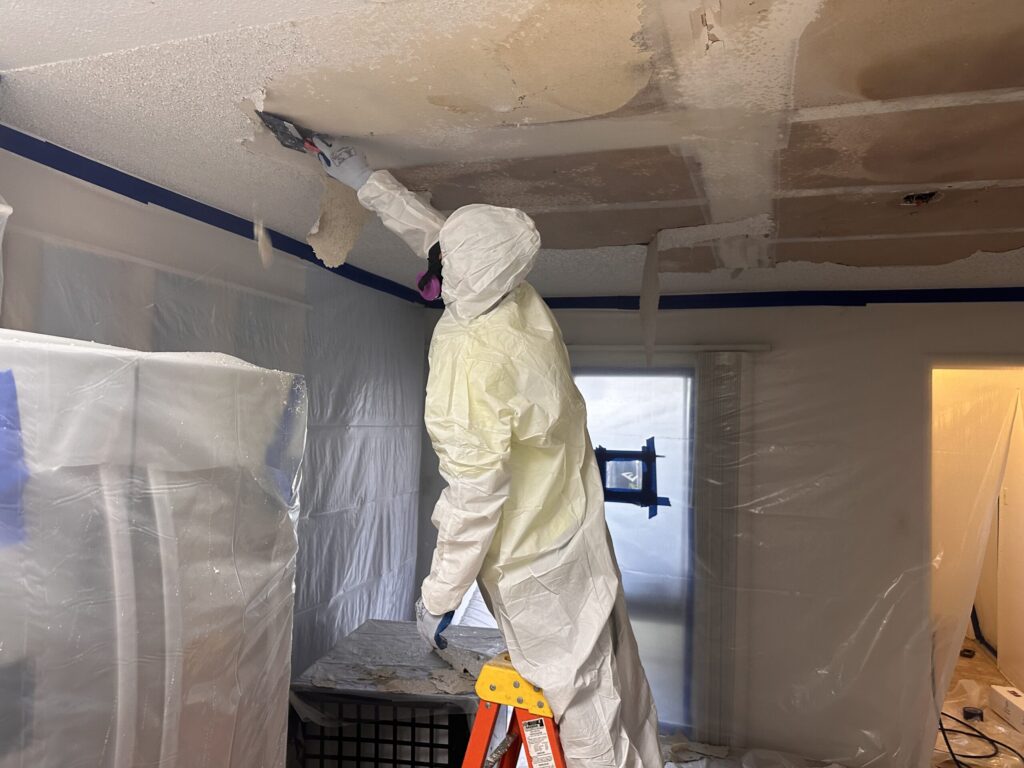
Older Denver buildings may contain asbestos in more places than many owners expect. Flooring materials such as vinyl tiles and adhesives are common sources. Ceiling textures drywall joint compounds and plaster finishes may also contain asbestos.
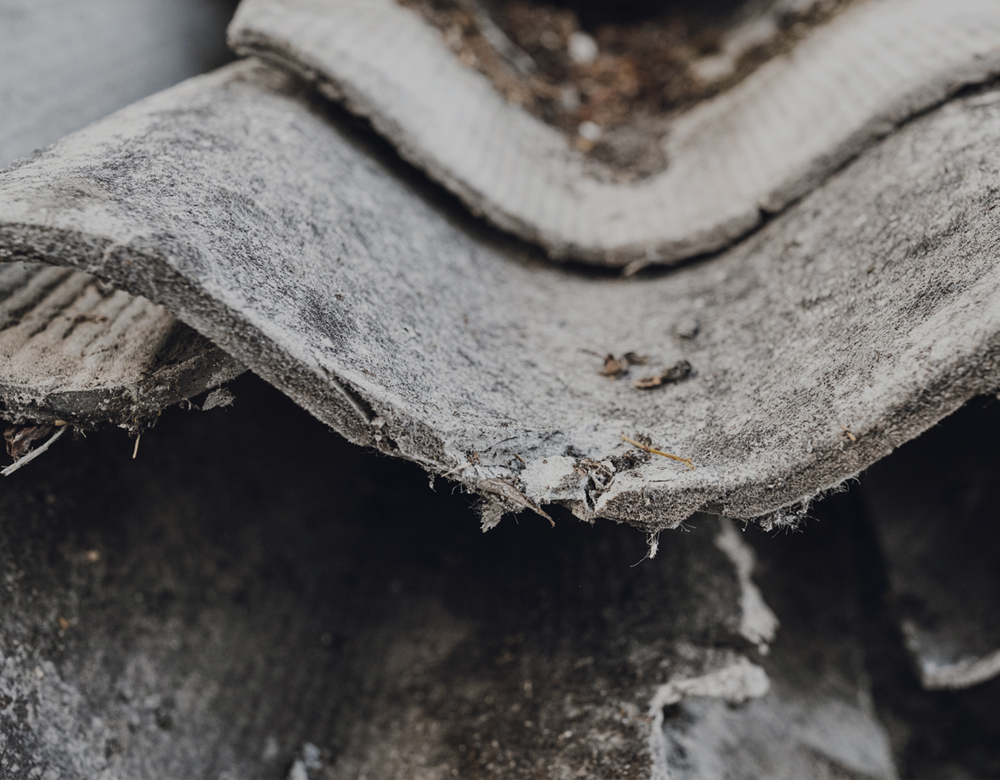
Mechanical systems are another frequent concern. Insulation around pipes boilers and ductwork was often made with asbestos containing materials. Roofing components exterior siding and cement based panels are also potential sources. Any project that alters these materials may require asbestos removal before work proceeds.
When Asbestos Removal Is Typically Required
Asbestos removal is often required when materials are damaged deteriorating or likely to be disturbed. Renovations that involve cutting drilling sanding or removing building materials increase the risk of fiber release. In these cases removal is usually recommended rather than leaving materials in place.
Demolition projects almost always require asbestos evaluation and removal before work begins. Even partial demolition or structural changes can release fibers if asbestos is present. Addressing removal early helps reduce exposure risks and supports safer project execution.
The Role of Testing Before Removal
Because asbestos cannot be identified by sight alone professional testing is essential. Testing helps confirm whether asbestos is present and which materials are affected. This information allows property owners to plan removal properly and avoid unnecessary disruption.
Testing also helps determine the scope of removal. In some cases only specific areas or materials require attention. In others more extensive removal may be necessary. Early testing supports informed decisions and smoother project timelines.
Health Considerations for Building Occupants
The primary concern with asbestos is the potential impact on health. Inhaling asbestos fibers can lead to serious long term health conditions. These risks increase when materials are disturbed during construction or repairs.
In occupied buildings uncontrolled asbestos exposure can affect residents workers and visitors. Professional asbestos removal focuses on controlling the work area preventing fiber spread and protecting indoor environments. This is especially important in multi unit buildings offices and public spaces.
Asbestos Removal in Commercial Properties
Commercial buildings in Denver often face additional considerations when asbestos is present. Larger spaces complex systems and higher occupancy levels increase the importance of proper removal. Many commercial projects require removal to meet safety standards insurance requirements or occupancy expectations.
Office renovations tenant improvements and system upgrades frequently trigger asbestos removal needs. Addressing asbestos correctly helps businesses avoid downtime liability concerns and compliance issues.
How Asbestos Removal Supports Property Value
Proper asbestos removal can help protect and even enhance property value. Buyers and inspectors often raise concerns when asbestos is suspected or identified. Removing asbestos before listing or transferring a property can simplify transactions and reduce negotiation challenges.
Documentation showing that asbestos was removed properly can provide reassurance to future owners. This demonstrates responsible property management and long term care.
Planning Projects With Asbestos in Mind
For property owners in Denver planning renovations or repairs asbestos should be part of early project planning. Understanding the age of the building and potential materials involved helps identify when testing and removal may be necessary.
Working with professionals experienced in asbestos removal allows projects to move forward safely and efficiently. Addressing asbestos early helps avoid delays and unexpected costs once work is underway.
Why Professional Asbestos Removal Matters
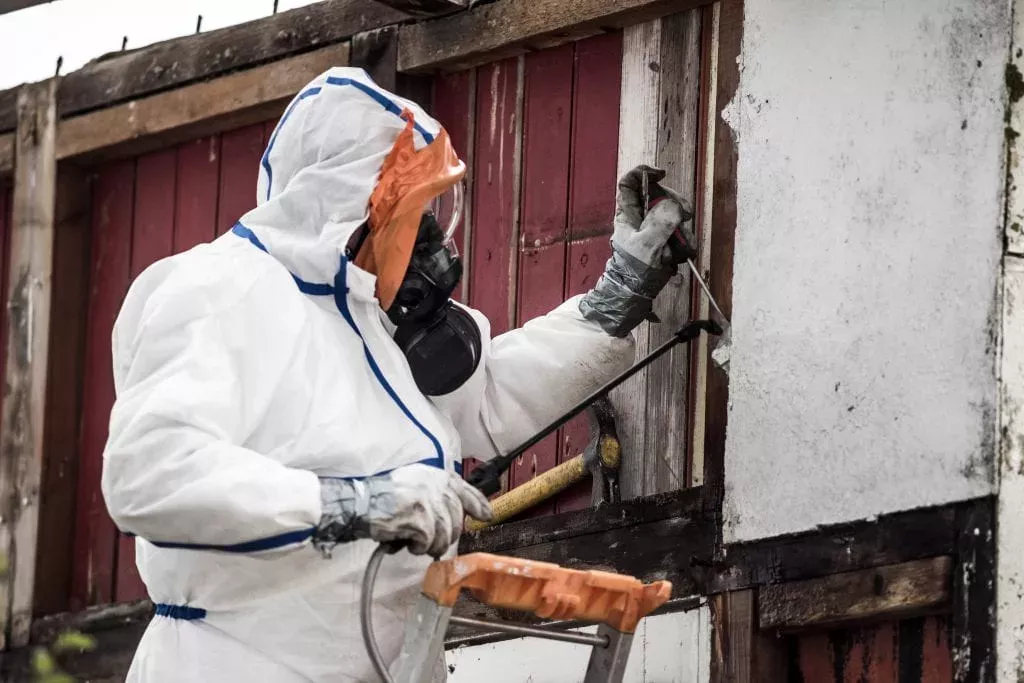
Asbestos removal requires specialized procedures containment methods and disposal practices. Attempting to remove asbestos without proper training can increase exposure risks and spread contamination throughout the building.
Professional removal focuses on controlling fibers sealing materials and restoring affected areas safely. This approach protects occupants workers and the surrounding environment.
Moving Forward Safely in Older Denver Buildings
As Denver continues to renovate and update its older building stock asbestos awareness remains critical. Understanding removal requirements helps property owners make informed decisions and avoid unnecessary risks.
Whether planning a small renovation or a major redevelopment addressing asbestos properly supports safety compliance and long term success. Taking the right steps before work begins helps ensure projects move forward with confidence and care.